
Tracing the historical evolution of gambling From ancient rituals to modern casinos
The Origins of Gambling in Ancient Cultures
The practice of gambling can be traced back to ancient civilizations, where it often intertwined with rituals and religious beliefs. Archaeological findings suggest that games of chance, such as dice games, were prevalent in societies like Mesopotamia and ancient Egypt. In these early forms, gambling represented more than just potential winnings; it was a community event that fostered connections, like the casinos not on gamstop that offer various forms of entertainment today.

In ancient China, as early as 2300 BC, gambling was not only a source of entertainment but also played a significant role in social bonding. The Chinese created games that involved betting, which laid the groundwork for more organized forms of gambling that we see today. These rituals were not simply about winning or losing; they represented a connection between the participants and their deities, often invoking luck and fortune.
The Transition to Organized Gambling in Ancient Rome
As societies evolved, so did the nature of gambling. In ancient Rome, the introduction of more structured games marked a significant shift. Gambling became increasingly popular among the elite and was integrated into various aspects of life, including political events and military conquests. The Romans played games such as dice and betting on gladiatorial contests, reflecting a society that embraced chance and risk.
With the establishment of betting houses and public games, gambling in Rome became more regulated. This transition facilitated the rise of professional gamblers, who capitalized on the growing demand for gambling entertainment. The Romans formalized rules for games, which helped shape modern gambling regulations and established a precedent for future gaming enterprises.
The Dark Ages and Gambling’s Resurgence
During the Middle Ages, gambling faced significant scrutiny from religious authorities, leading to its decline in some regions. However, the allure of chance did not disappear. In secret, people continued to engage in gambling, often using cards, which began to circulate in Europe during this time. The resurgence of gambling in Europe was partly fueled by the increasing availability of playing cards, which became a popular form of entertainment.
By the late Middle Ages, public attitudes towards gambling began to shift again. With the rise of the merchant class and the flourishing of trade, gambling re-emerged as a social activity. This period saw the introduction of the first official lotteries, which were used to raise funds for public projects and were often sanctioned by the state, reflecting a growing acceptance of gambling as a legitimate form of revenue generation.
The Birth of Modern Casinos in the 18th Century
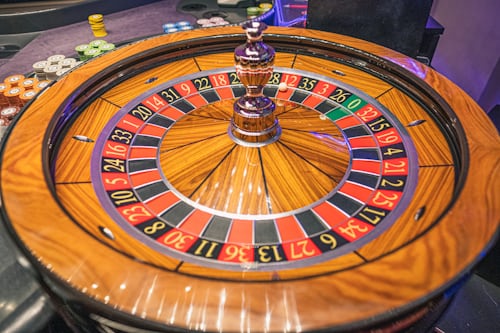
The establishment of the first modern casinos in the 18th century marked a pivotal moment in the history of gambling. The Casino di Venezia in Italy, which opened its doors in 1638, laid the foundation for what would become a worldwide phenomenon. These establishments offered a range of games, attracting wealthy patrons and creating an atmosphere of luxury and excitement.
As casinos spread across Europe, they became synonymous with high-stakes gambling experiences. The allure of Monte Carlo and other luxury gambling destinations offered not only games but also social status and entertainment. This period solidified the casino’s role in society, changing perceptions of gambling from a mere pastime to a sophisticated leisure activity that drew the elite and affluent from all walks of life.
The Impact of Technology and Online Gambling
The late 20th and early 21st centuries brought about a revolution in gambling with the advent of technology. The introduction of online casinos transformed the landscape, making gambling accessible to a broader audience. Players could now engage in their favorite games from the comfort of their homes, leading to a surge in popularity and participation.
Today, the gambling industry continues to evolve with advancements in technology. Mobile applications, virtual reality, and live dealer games have created immersive experiences that replicate the excitement of traditional casinos. The online gambling sector has become a significant contributor to the economy, while regulatory bodies work to ensure fair play and responsible gambling practices.